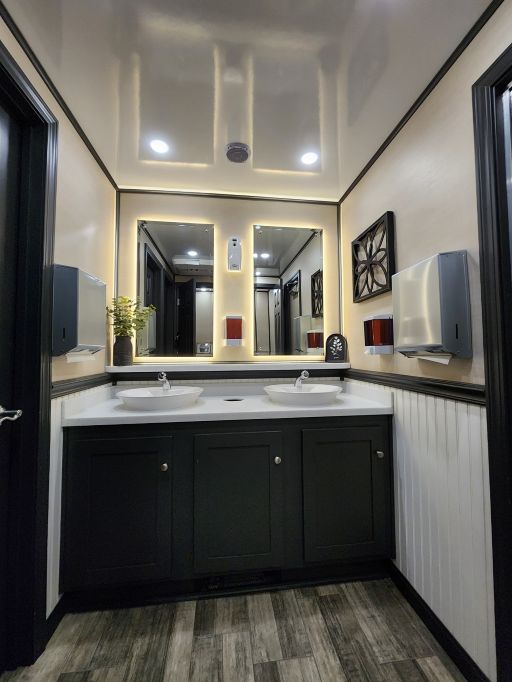
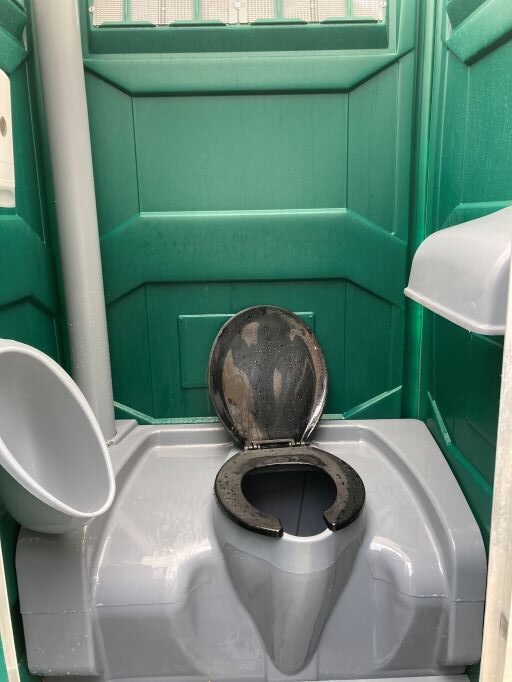
Portable restrooms make outdoor events, construction projects, and public spaces more convenient, but their accessibility can also leave them vulnerable to vandalism. A damaged unit creates more than an annoying cleanup job. It can disrupt restroom availability, create sanitation concerns, and add unnecessary complications to an otherwise well-planned rental.
Fortunately, renters can take practical steps to reduce the likelihood of porta potty damage. Smart placement, thoughtful planning, regular monitoring, and clear communication can help protect portable restrooms throughout the rental period. Whether you need units for one weekend or several months, a little prevention can make managing them much easier.
Choose a Visible Location
Placement plays a major role in preventing vandalism. A restroom hidden behind a building or placed in a remote corner of a property may give vandals more privacy. Instead, choose a location that remains visible to workers, event staff, security personnel, or other responsible people.
Visibility creates natural oversight without making guests feel uncomfortable. You don’t need someone watching the restroom constantly. Simply putting it somewhere that receives regular activity can discourage someone from damaging the unit.
At the same time, protect users’ privacy and maintain convenient access. Look for a location that balances these needs rather than choosing the most exposed spot available.
Keep Portable Restrooms in Well-Lit Areas
Good lighting can make portable restrooms less appealing targets after dark. This consideration becomes particularly important at overnight construction sites, festivals, fairs, and multi-day events.
Place units near existing site lighting when possible. For locations without sufficient lighting, temporary lights may improve visibility around the restroom area. Lighting also helps guests and workers navigate the site safely at night.
Make sure the lighting covers the surrounding area rather than shining directly into a restroom. A well-lit path and exterior area can provide useful visibility while preserving privacy.
Limit Access During Closed Hours
Not every portable restroom needs to remain available around the clock. If your event or job site closes overnight, consider whether you can restrict access to the entire property during those hours.
Fencing, locked gates, and controlled entry points can reduce unauthorized access. Construction managers may already use these measures to protect equipment and materials, so restroom units can benefit from the same site-security strategy.
Event organizers can also coordinate with venue managers to determine when guests, vendors, and other visitors should have access to sanitation areas.
Place Units Away From Easy Escape Routes
Location affects how easily someone can approach a portable restroom without attracting attention. A unit next to an isolated alley, tree line, or seldom-used access road may face greater risk than one closer to active areas.
Study the property before choosing a placement area. Think about where people enter and leave, where staff spend their time, and which spaces receive little activity.
For a porta potty rental in Chicago, placement may require extra consideration because busy urban sites can have public sidewalks, alleys, neighboring properties, and other access points nearby. Planning around these surroundings can help renters maintain better control of the restroom area.
Secure the Overall Site
Portable restroom security often starts with general site security. If unauthorized people can easily enter a construction site or closed event space, they may also gain access to restroom units.
Depending on the property, useful security measures may include:
- Perimeter fencing around restricted areas
- Locked gates after operating hours
- Adequate exterior lighting
- Security cameras in appropriate public areas
- Clear signs that identify restricted zones
These measures can protect much more than portable restrooms. They may also help safeguard equipment, supplies, temporary structures, and other rental items.
Use Security Cameras Where Appropriate
Security cameras can discourage vandalism when the property already uses a surveillance system. Construction sites and commercial properties often place cameras near entrances, storage areas, or high-traffic sections of the site.
Never position cameras where they could violate restroom users’ privacy. Instead, monitor general approaches, gates, or nearby public areas. The goal should involve protecting the site rather than monitoring restroom use.
Visible cameras may provide an additional deterrent because potential vandals know site managers can review activity.
Monitor Restrooms Throughout an Event
Large events can attract thousands of people, and even well-organized crowds require active management. Staff members should periodically check portable restroom areas for damage, excessive messes, or other problems.
These checks also give organizers an opportunity to identify issues early. A loose component or damaged accessory may require attention before the problem gets worse.
Monitoring doesn’t need to feel intrusive. Staff can include restroom areas in their normal rounds alongside entrances, food areas, parking lots, and other important locations.
Maintain a Clean Restroom Area
Clean surroundings encourage people to treat a space with more respect. When trash starts piling up or a restroom area looks neglected, guests may become less careful about how they use the facilities.
Regular servicing supports sanitation while also helping maintain a professional appearance. Renters should also keep nearby trash cans from overflowing and remove loose debris from the surrounding area.
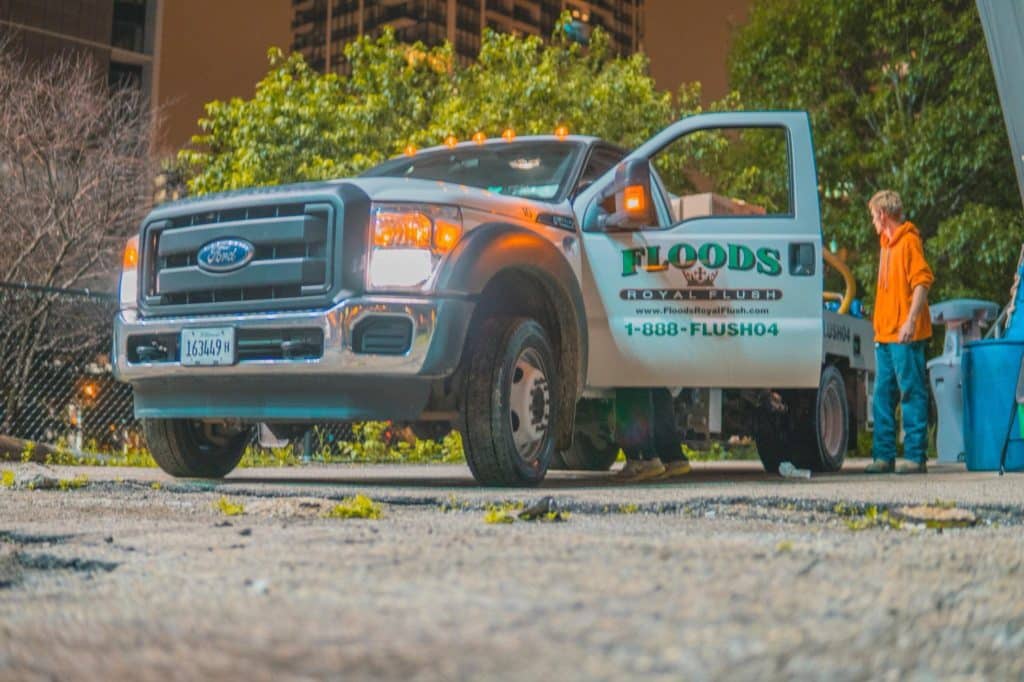
Floods Royal Flush focuses on dependable, clean restroom solutions and provides servicing as part of its rental support, making proper upkeep an important part of the overall customer experience.
Plan for High-Traffic Periods
Vandalism isn’t the only source of portable restroom damage. Heavy use can also create problems that initially look like intentional damage. Overcrowding may put additional strain on doors, locks, dispensers, and other components.
Estimate attendance or workforce size carefully when arranging a rental. An appropriate number of units can distribute traffic and make each restroom easier to maintain.
Event planners should consider peak periods as well. A festival may experience much heavier restroom traffic between performances, while a race or community gathering could see demand increase during specific parts of the day.
Communicate Expectations to Workers and Staff
Construction managers can help protect rental units by establishing clear expectations with their crews. Workers should understand that portable restrooms count as rented site equipment and deserve proper care.
Event organizers can take a similar approach with employees, volunteers, and vendors. Ask staff to report damaged units or suspicious activity instead of assuming someone else will handle the problem.
Clear communication creates accountability. It also gives organizers more eyes around the property without requiring dedicated restroom security.
Respond to Damage Quickly
Don’t ignore signs of vandalism or damage. A minor problem can turn into a bigger issue when people continue using the unit.
Contact the rental provider when you discover significant damage. Explain what happened and provide useful details about the unit and its condition. Your rental company can then explain the appropriate next steps.
You should also address any site conditions that contributed to the incident. If someone damaged a restroom in a poorly lit corner, for example, reconsider the location or improve security before another incident occurs.
Consider the Length of the Rental
A restroom rented for a single afternoon faces different security concerns than one sitting on a construction site for several months. Long-term rentals require renters to think about changing site conditions.
Construction crews may move to different areas as work progresses. Fences may shift, lighting arrangements may change, and once-busy areas can become quiet. A restroom that started in a secure location might eventually become isolated.
Review placement periodically during long rentals. Moving a unit to a more appropriate area may reduce risk while keeping it convenient for workers.
Make Prevention Part of Your Rental Plan
Preventing portable restroom vandalism doesn’t require turning an event or job site into a fortress. Most renters can reduce risk through sensible placement, lighting, controlled access, routine monitoring, and communication.
Think about security when planning the rental rather than waiting for damage to occur. Consider who can access the property, when the site becomes quiet, and how conditions might change during the rental period.
Floods Royal Flush serves construction sites, events, and gatherings with portable sanitation rentals designed to keep temporary restroom access simple and dependable. With thoughtful planning and support from your rental provider, you can protect your units while keeping clean, convenient restrooms available for everyone who needs them.