
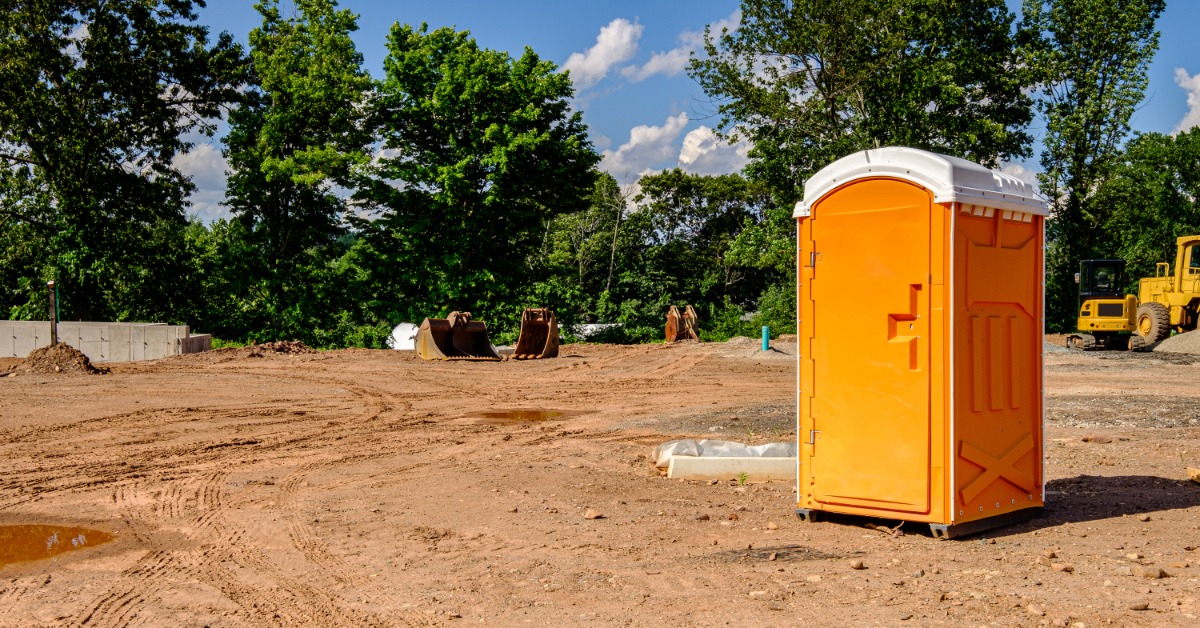
Running a construction site in Chicago takes plenty of coordination, and restroom access deserves a spot on every contractor’s planning checklist. Whether you’re managing a small renovation or a large commercial development, your crew needs clean, convenient facilities throughout the project. Understanding how business-to-business (B2B) portable restroom rentals work can help you maintain productivity, meet sanitation requirements, and keep your job site running smoothly.
Why Do Construction Sites Need Portable Restrooms?
Construction workers need reliable restroom access during every shift. Without convenient facilities, employees may need to leave the property, creating unnecessary interruptions throughout the workday.
Portable restrooms give crews a practical sanitation solution when permanent bathrooms aren’t available. They also help contractors maintain professional working conditions and support employee comfort.
For Chicago contractors, dependable restroom access becomes especially important during lengthy projects or jobs involving multiple subcontractors.
How Many Portable Restrooms Should Contractors Rent?
The right number of units depends on your workforce size, project schedule, and restroom servicing frequency.
OSHA sanitation standards establish minimum toilet requirements for construction sites. However, contractors should also consider daily usage and whether multiple crews share the property.
When planning your rental, review these factors:
- Number of workers present during peak shifts
- Length of the construction project
- Availability of existing restroom facilities
- Frequency of cleaning and waste removal
Discussing these details with your rental provider helps you choose an appropriate setup without overspending.
What Types of Portable Restrooms Work Best?
Standard portable toilets offer a practical solution for most construction projects. These units provide convenient restroom access without requiring permanent plumbing connections.
Contractors may also need accessible restroom units or portable handwashing stations, depending on their workforce and site requirements.
When comparing porta potty rentals for construction sites, consider the available space and expected daily traffic. Choosing suitable equipment from the beginning helps prevent sanitation problems later.
Where Should Contractors Place Portable Toilets?
Proper placement makes restroom access easier while keeping equipment away from active construction hazards.
Choose level ground that allows workers to reach the facilities without crossing dangerous work areas. Keep units away from heavy machinery routes and material storage locations.
Delivery trucks also need sufficient access for installation and routine servicing. Chicago’s crowded streets and tight urban construction sites can make this especially important.
Coordinate placement with your rental provider before delivery to avoid last-minute complications.
How Often Should Construction Restrooms Receive Service?
Regular maintenance helps keep portable toilets sanitary throughout your project.
Servicing typically includes waste removal, interior cleaning, and replenishing essential supplies. The appropriate schedule depends on workforce size and usage levels.
High-traffic construction sites may require more frequent attention than smaller projects. Contractors should communicate changing workforce numbers to their rental provider so service schedules can accommodate increased demand.
What Should Contractors Know About Rental Costs?
Portable restroom rental pricing for construction sites depends on several factors, including rental duration, equipment selection, and servicing frequency.
Long-term construction projects often benefit from rental arrangements that accommodate changing schedules.
Before signing an agreement, ask about delivery charges, maintenance services, and pickup procedures. Understanding these details helps contractors manage project budgets and avoid unexpected expenses.