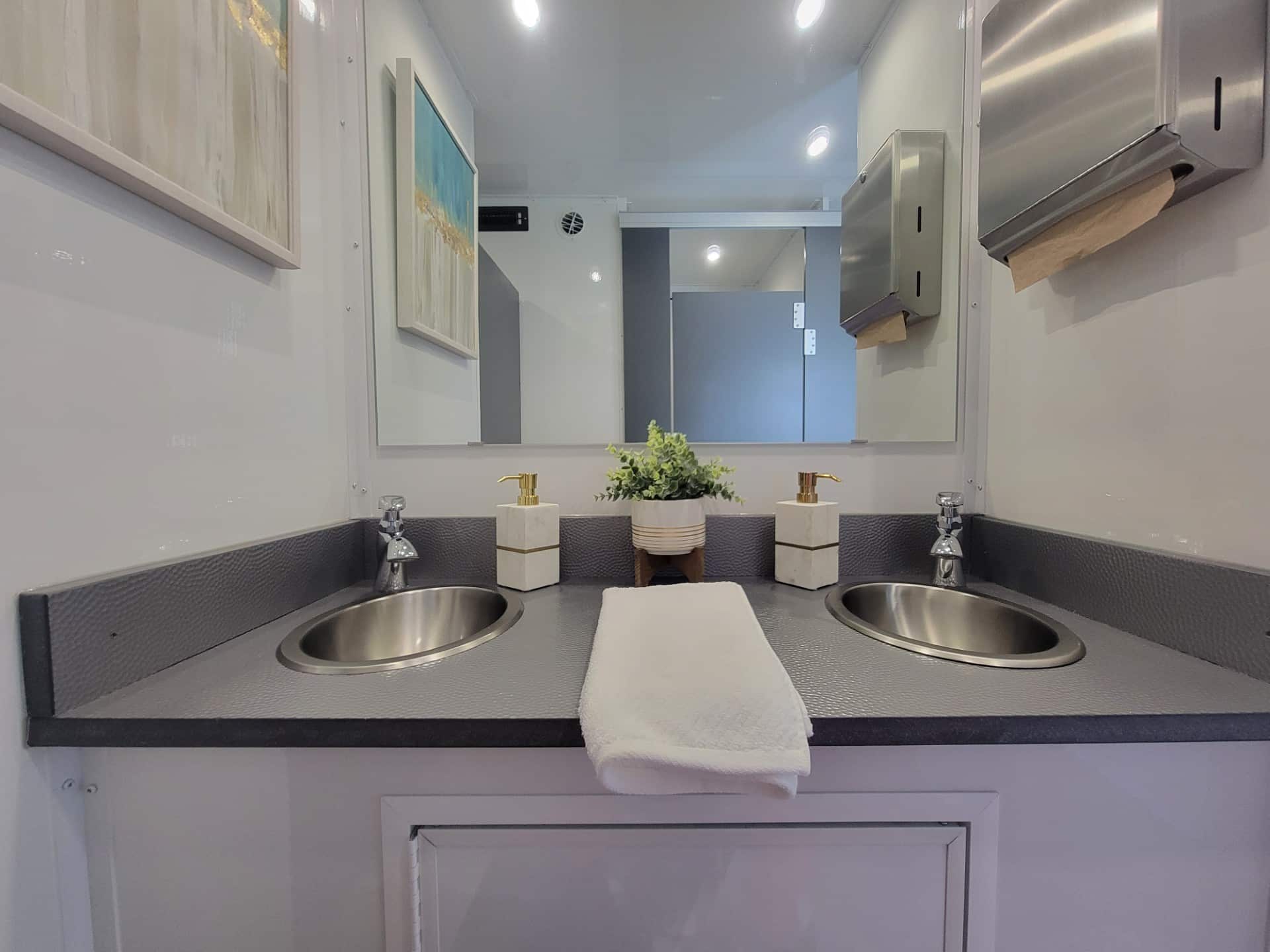
Construction sites bring together crews, equipment, building materials, and constantly changing working conditions. Every task creates opportunities for workers to come into contact with dirt, dust, chemicals, grease, adhesives, and other contaminants throughout the day. Clean hands play a major role in protecting worker health, supporting job site safety, and helping projects stay productive. That is why hand-washing stations remain an essential part of modern construction planning instead of an optional convenience.
Construction managers who prioritize sanitation create a safer environment for everyone on-site. Proper hand-washing facilities encourage healthy habits while helping companies meet workplace expectations and maintain professional job sites.
Construction Sites Present Unique Hygiene Challenges
Unlike office buildings or permanent facilities, construction sites rarely include built-in plumbing during the early stages of a project. Workers spend long hours outdoors while handling materials that leave behind dust, debris, fuel residue, concrete, paint, and other substances.
Without dedicated hand-washing stations, workers may have no practical way to clean their hands before eating, drinking, or taking breaks. That situation increases the likelihood of spreading germs or transferring contaminants throughout the site.
Portable sanitation equipment solves this challenge by bringing hygiene directly to the work area instead of forcing crews to leave the site.
Hand Washing Helps Reduce the Spread of Illness
Construction projects depend on teamwork. Crews often share equipment, tools, materials, vehicles, and workspaces throughout the day. Frequent contact with shared surfaces creates opportunities for bacteria and viruses to spread from person to person.
Regular hand washing helps interrupt that cycle. Workers who wash their hands before meals, after restroom visits, and after handling dirty materials lower the risk of spreading illnesses that could affect the entire crew.
Fewer illnesses often translate into:
- Better attendance
- More consistent productivity
- Healthier job sites
- Fewer interruptions to project schedules
Simple hygiene practices support both workers and project managers.
OSHA Regulations Support Proper Sanitation
Federal workplace safety standards emphasize sanitation as part of maintaining healthy working conditions. Construction employers must provide appropriate sanitation facilities for workers, including adequate restroom access and hand-washing opportunities where required.
Meeting these expectations demonstrates a commitment to worker well-being while helping companies avoid unnecessary compliance issues.
Professional portable sanitation providers understand current requirements and help contractors choose equipment that fits the size and scope of each project.
Workers Handle Many Contaminants Every Day
Construction professionals work with countless materials that should never remain on their hands for long periods.
Common examples include:
- Concrete and cement
- Paints and coatings
- Solvents
- Oils and grease
- Drywall dust
- Insulation materials
- Adhesives
- Treated lumber residue
Many of these materials cause skin irritation or create additional health concerns if workers accidentally transfer them to food, drinks, or their faces.
Accessible hand-washing stations make proper cleanup much easier throughout the workday.
Better Hygiene Supports Food Safety During Breaks
Construction workers often eat lunch on-site because traveling to restaurants or other facilities wastes valuable time. Dirty hands can easily contaminate food, beverages, and personal items.
Hand washing before meals removes many of the contaminants workers collect during normal job duties.
Clean hands help reduce exposure to harmful bacteria while creating a healthier break environment for everyone on the crew.
Even a short hand-washing routine before eating makes a meaningful difference.
Hand-Washing Stations Improve Overall Job Site Safety
Safety extends far beyond hard hats and protective equipment. Hygiene also contributes to a safer workplace.
Workers with clean hands maintain a better grip on tools and equipment after removing grease or slippery substances. Clean hands also reduce accidental contact between hazardous materials and sensitive areas like the eyes, nose, or mouth.
Construction managers often focus on preventing falls, equipment accidents, and other visible hazards. Hygiene deserves equal attention because healthy workers remain more focused, comfortable, and productive throughout the day.
Portable Stations Offer Flexible Placement
Every construction project looks different. Some sites spread across several acres, while others occupy small urban lots with limited space.
Portable hand-washing stations adapt to nearly any layout. Contractors can position units near:
- Restroom areas
- Break stations
- Material staging zones
- High-traffic work areas
- Site entrances and exits
Convenient placement encourages workers to wash their hands more frequently because facilities remain close to their daily activities.
As projects progress, rental companies can often relocate equipment to match changing site conditions.
Clean Job Sites Create a Professional Image
Construction projects attract many visitors besides workers. Property owners, inspectors, architects, engineers, municipal officials, and clients frequently visit active job sites.
Visible sanitation equipment demonstrates organization and attention to detail.
A clean, well-maintained site sends a positive message about the contractor’s commitment to safety, professionalism, and worker care.
Professional portable sanitation companies regularly service hand-washing stations to keep them stocked with fresh water, soap, paper towels, and other supplies. That consistent maintenance helps every visitor see a clean, organized work environment.
Proper Hand Washing Protects Workers Beyond the Job Site
Construction workers return home after each shift. Dirt, chemicals, and contaminants should stay at the job site whenever possible.
Regular hand washing throughout the workday reduces the amount of residue workers carry into their vehicles and homes.
Families also benefit when workers remove contaminants before leaving the construction site. Good hygiene protects coworkers during the day while helping protect loved ones after work ends.
Choosing the Right Number of Hand-Washing Stations
Every project requires a different sanitation plan. Several factors influence the number of stations needed, including crew size, project duration, site layout, and expected visitor traffic.
Contractors should consider:
- Total number of workers
- Shift schedules
- Distance between work zones
- Number of restroom units
- Expected inspections or public access
Working with an experienced portable sanitation provider simplifies this planning process. Rental specialists recommend equipment configurations that support both convenience and compliance throughout the project.
Rental Services Simplify Construction Site Management
Managing a construction project already involves coordinating deliveries, subcontractors, inspections, equipment, scheduling, and safety protocols. Portable sanitation should not create additional stress.
Professional rental providers deliver hand-washing stations, place them in appropriate locations, maintain supplies, perform scheduled servicing, and remove equipment once the project finishes.
Companies that rent portable sinks alongside portable restrooms often enjoy a streamlined rental process because one provider manages the entire sanitation setup from beginning to end.
Reliable service allows project managers to focus on building rather than worrying about sanitation logistics.
Why Construction Sites Should Never Overlook Hand-Washing Stations
Hand-washing stations do much more than provide soap and water to a construction site. They help reduce illness, improve worker comfort, support regulatory compliance, encourage food safety, and contribute to a cleaner, more professional construction environment.
Construction projects succeed because many moving parts work together efficiently. Portable sanitation deserves the same level of planning as equipment, scheduling, and safety meetings.
Floods Royal Flush understands the unique sanitation needs of construction companies throughout Chicagoland and surrounding areas. As a woman-owned, family-operated business, the company provides dependable portable restroom rentals, handwashing facilities, and flexible service options for projects of every size. Our focus on clean equipment, reliable service, and customer support helps contractors maintain safe, organized job sites from groundbreaking through project completion.