Crowded events and busy job sites bring plenty of people together, which also creates plenty of opportunities for germs to travel. People touch doors, equipment, tables, railings, tools, and countless other shared surfaces throughout the day. Providing convenient hand sanitizer gives everyone another practical way to keep their hands clean when soap and running water aren’t immediately available.
Hand sanitizer rentals make that option easy to add to temporary locations. Event organizers and site managers can place stations where people naturally need them, helping encourage better hand hygiene without disrupting the flow of the space.
Why Does Hand Hygiene Matter in Shared Spaces?
Hands regularly come into contact with surfaces that many other people touch. Someone may grab a door handle, use shared equipment, handle money, or touch a portable restroom door before moving on to another activity.
Good hand hygiene helps reduce the transfer of germs from hands to other surfaces and people. While sanitizer doesn’t replace every other sanitation measure, it provides an additional layer of protection. Making sanitizer easy to find also removes one of the biggest barriers to good hand hygiene: convenience.
How Do Hand Sanitizer Rentals Improve Accessibility?
People are more likely to clean their hands when supplies sit nearby. A sanitizer station lets guests or workers quickly clean their hands without searching for a restroom or leaving an activity.
Rental stations also allow organizers to adjust sanitation resources according to the location. A small gathering may need only a few stations, while a festival or large construction project may require many stations across the property.
This flexibility makes sanitizer rentals useful for temporary environments where permanent hand hygiene infrastructure may not exist.
Where Should You Place Hand Sanitizer Stations?
Good placement can make a major difference in how often people use sanitizer. Instead of placing every station in one area, organizers should consider how people move throughout the site.
Useful locations can include:
- Near portable restrooms
- Around food service or dining areas
- At entrances and exits
- Near high-traffic gathering points
- Close to shared tools or equipment
- Near registration and check-in areas
Visible, convenient stations remind people to clean their hands without requiring signs everywhere. Organizers should also avoid locations where a station could interfere with walkways or accessibility routes.
How Can Sanitizer Support Portable Restroom Areas?
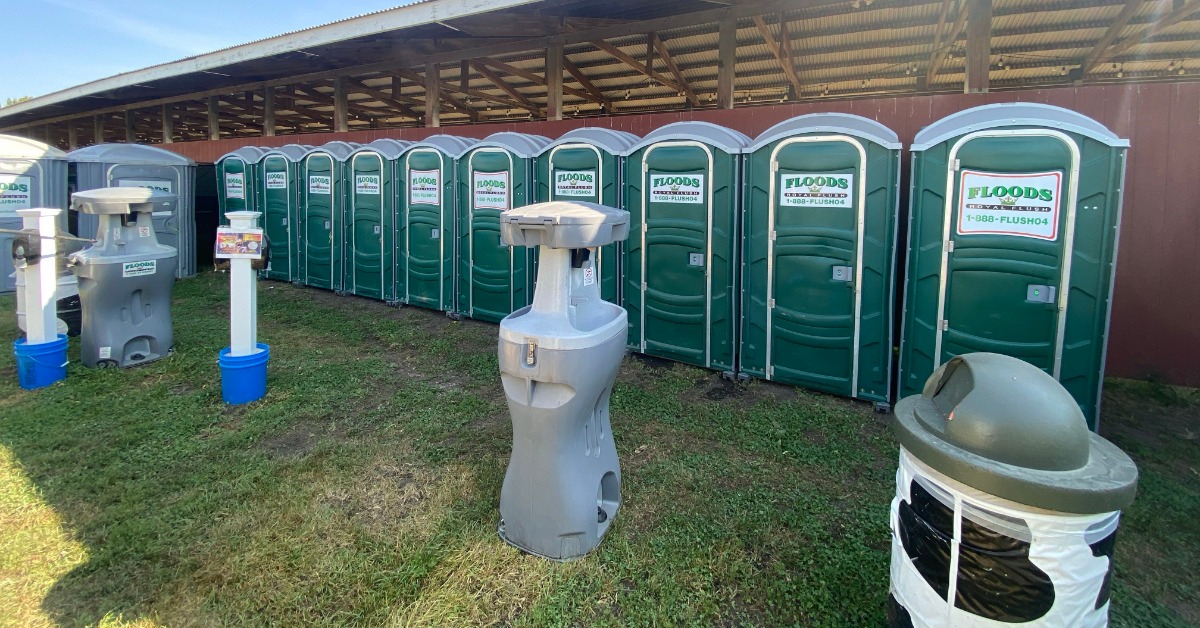
Portable restrooms represent one of the most natural locations for hand sanitizer. Guests already expect an opportunity to clean their hands after using restroom facilities.
Adding sanitizer nearby creates an easy hygiene option and helps organizers create a more complete sanitation setup. At locations without access to plumbing, hand sanitizer can prove especially useful.
For events or projects that need additional hygiene resources, planners can combine sanitizer stations with portable handwashing sinks. The right combination depends on the site, expected attendance, rental duration, and available space.
Can Hand Sanitizer Help at Large Events?
Large events often involve frequent contact between guests and shared surfaces. Festivals, concerts, fairs, sporting events, community celebrations, and outdoor gatherings may attract hundreds or thousands of people.
Organizers can use hand sanitizer station rentals to create hygiene points throughout these busy environments. Strategic placement gives guests frequent opportunities to clean their hands as they move between restrooms, food vendors, seating areas, and attractions.
Multiple stations can also prevent unnecessary crowding around a single hygiene location. Guests can simply use whichever station they encounter during the event.
Why Are Sanitizer Stations Useful on Construction Sites?
Construction sites involve a different environment, but convenient hand hygiene still matters. Crews regularly handle tools, building materials, equipment controls, and other shared items. Workers may also move between different sections of a job site throughout the day.
Portable sanitizer stations give crews quick access to hygiene supplies without requiring them to walk across a large property.
Site managers can place stations near portable restrooms, break areas, trailers, or other frequently used locations. Convenient access can help make hand hygiene part of the normal workday instead of an extra chore.
Does Hand Sanitizer Replace Handwashing?
No. Hand sanitizer works best as one part of a broader sanitation plan rather than a complete replacement for handwashing.
Soap and water remain important, particularly when hands have visible dirt or grime on them. Portable sinks can provide a more thorough handwashing option for construction crews, food service areas, and other situations where users need access to running water.
Sanitizer fills another important role. It gives people a fast option when they cannot immediately reach a sink. Using both options where appropriate can create a more practical hygiene setup.
How Can Sanitizer Stations Improve the Guest Experience?
Cleanliness influences how people feel about an event. Guests notice when organizers make sanitation easy and convenient. A visible sanitizer station communicates that someone thought about their comfort before they arrived.
That detail becomes especially valuable around portable restroom areas. People want convenient ways to clean their hands before returning to food areas, seating, activities, or conversations.
A well-planned sanitation setup also helps guests spend less time looking for basic amenities. They can quickly use the facilities they need and return to enjoying the event.
How Many Sanitizer Stations Does a Site Need?
There isn’t one number that works for every event or job site. Organizers should consider expected attendance, property size, restroom quantity, traffic patterns, and how long people will remain on the property.
A compact event with a centralized restroom area may require fewer stations than a large festival spread across several acres. Similarly, a small construction project may have different requirements than a large site with several active work zones.
Organizers should focus on accessibility rather than simply reaching a certain number. People should encounter sanitation resources naturally as they move through the space.
Why Does Rental Make Sense for Temporary Needs?
Buying sanitation equipment rarely makes sense when an organization needs it for a temporary event or project. Rentals allow organizers to get the equipment they need for the appropriate period without worrying about long-term storage.
A rental provider can also help simplify delivery and pickup. That convenience matters when planners already have dozens of other details competing for their attention.
Construction companies can benefit from rentals for longer projects as well. As the project changes, managers can evaluate sanitation needs and adjust their setup rather than maintaining permanent equipment that they may not need later.
How Should Sanitizer Fit Into Event Planning?
Sanitation works best when organizers consider it early rather than treating it as a last-minute addition. Planners can review the site layout and identify areas where people will gather or interact with shared surfaces.
They can then coordinate sanitizer stations with portable restrooms and other sanitation equipment. Planning these elements together helps create a logical layout and can simplify delivery.
Early planning also gives organizers more time to determine quantities and account for attendance changes. Large events may have more complex placement needs, so giving sanitation some attention before event day can prevent avoidable complications.
What Should Organizers Consider for Outdoor Locations?
Outdoor venues often lack the permanent facilities available inside buildings. Parks, fields, construction properties, and temporary event spaces may have limited access to plumbing or permanent restrooms.
Portable sanitation equipment solves that challenge without requiring major site changes. Organizers can establish hygiene areas where people actually need them.
Weather and terrain also deserve consideration. Stations should sit on stable ground where people can reach them safely. Organizers should keep them visible while making sure they don’t block pedestrian routes or interfere with other site operations.
Make Hand Hygiene Easy for Everyone
Reducing the spread of germs doesn’t require complicated solutions. Sometimes, the most useful approach involves putting basic hygiene supplies exactly where people need them.
Hand sanitizer rentals give event organizers and construction managers a simple way to expand access to hand hygiene. Strategic placement near restrooms, gathering areas, and other high-traffic locations can encourage people to clean their hands throughout the day.
Floods Royal Flush can help customers build a sanitation setup that fits their event or job site. With the right combination of portable restrooms, handwashing options, and sanitizer stations, organizers can create a cleaner, more convenient environment without adding unnecessary hassle to their plans.