
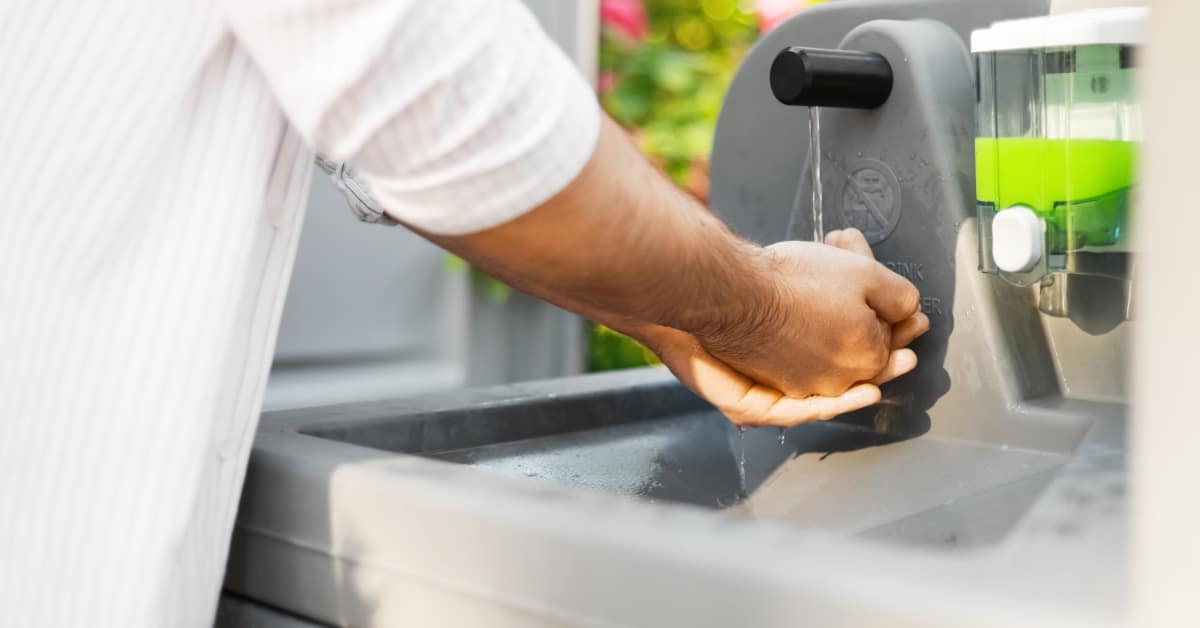
You booked the venue. You lined up the caterer. You even picked out string lights for the tent. Then, halfway through the event, someone tells you the portable sink ran dry. Troubleshooting issues with portable sink water supply starts with knowing what to watch for and how to respond fast.
Whether you run a construction site, manage a wedding venue, or plan events for a living, water supply hiccups will inevitably happen. The good news is that most of them have an easy fix once you know where to look.
Portable sinks handle a lot of traffic in a short window of time. That kind of steady use means that small mechanical quirks can appear without warning. Learning to identify and resolve those quirks before they become major problems will give you peace of mind during stressful moments.
Spotting the Warning Signs Early
During busy events, portable sinks are put through their paces, and minor issues can quickly snowball into major headaches. Identifying problems quickly allows you to resolve them before your guests notice. You won’t be scrambling to refill a tank while a crowd of hungry guests waits to wash up.
Low Water Pressure Isn’t Always the Tank’s Fault
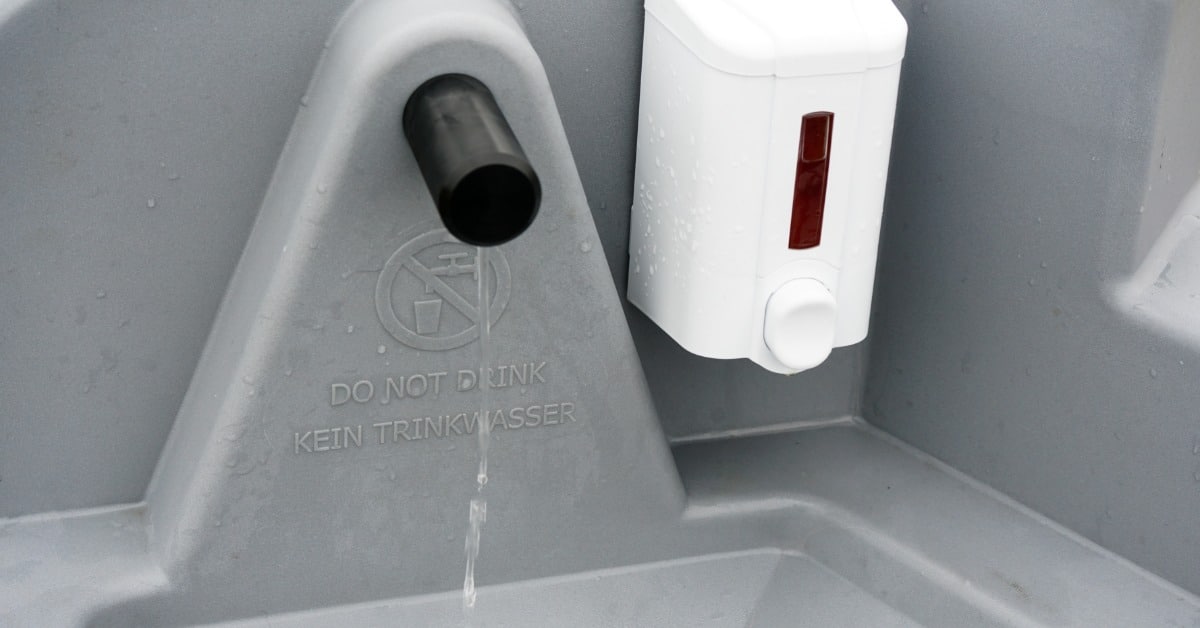
If your faucet is only producing a weak stream, don’t stress because it’s usually a quick fix. Start by checking the tank; sometimes a low fill can feel similar to a pressure problem. If the water level looks good, check the pump. Portable sinks use a small pump to keep water moving, and when it starts to lose power, you’ll get a trickle instead of a solid flow.
Battery-powered pumps can be worn down after a long day, especially if your event runs from early setup to late-night cleanup. Give the unit a full charge overnight before a multi-day job to keep things running smoothly. If you’re using a foot-pump model, you can skip battery worries altogether, making it a smart choice for job sites that rely on generator power.
Strange Smells or Discoloration Send a Clear Warning
Water that looks cloudy or smells off usually means that it has been sitting too long in the tank. Hot weather can intensify the smell, especially during outdoor summer events. Your best bet is to drain the tank, rinse it thoroughly, and refill it with fresh water before your guests need to wash up. The longer you wait, the more unpleasant the atmosphere will become.
Rust-colored water can also indicate that a fill hose picked up sediment during transport. Run the hose for a few seconds before connecting it to the tank to flush out any loose particles first. A simple routine like this helps keep the water looking clear and clean throughout the event.
Common Causes Behind Water Supply Hiccups
Knowing why these issues crop up makes it much easier to head them off next time. Most water supply problems boil down to just a few common causes, and they’re simple to fix once you know what to look for.
Layout and Climate Are Significant Factors
Where you set up your portable sink makes a big difference in how well it works. If you put it in direct sunlight, the tank heats up and bacteria multiply faster. In freezing weather, water lines can seize up completely. Find a shady spot during summer to keep water fresh, and use insulation to protect against the cold. A little planning before your event can save you a lot of troubleshooting down the road.
Don’t forget to check the ground, too. If the sink sits on an angle, the tank drains unevenly and might fool you into thinking you’re running out of water. Level ground keeps everything working smoothly—and stops the sink from wobbling whenever someone leans in to wash their hands.
When the Hose Is the Real Culprit
Hoses can become twisted during setup, especially when crews are rushing to get everything ready before doors open. A kinked hose blocks water flow the same way a kinked garden hose does at home. Loose connections let air into the line, which throws off the pump’s ability to push water through smoothly. Quickly inspecting every hose and fitting is the best way to maintain the proper setup.
Debris is another culprit of clogged hoses. Dirt, leaves, and small pebbles can find their way into the open ends of hoses during transport and storage. To combat this, cap the hose ends between uses and store hoses coiled rather than folded. Folding creates permanent bends that weaken the material over time and make future kinks far more likely.
Quick Fixes and When to Call in the Pros
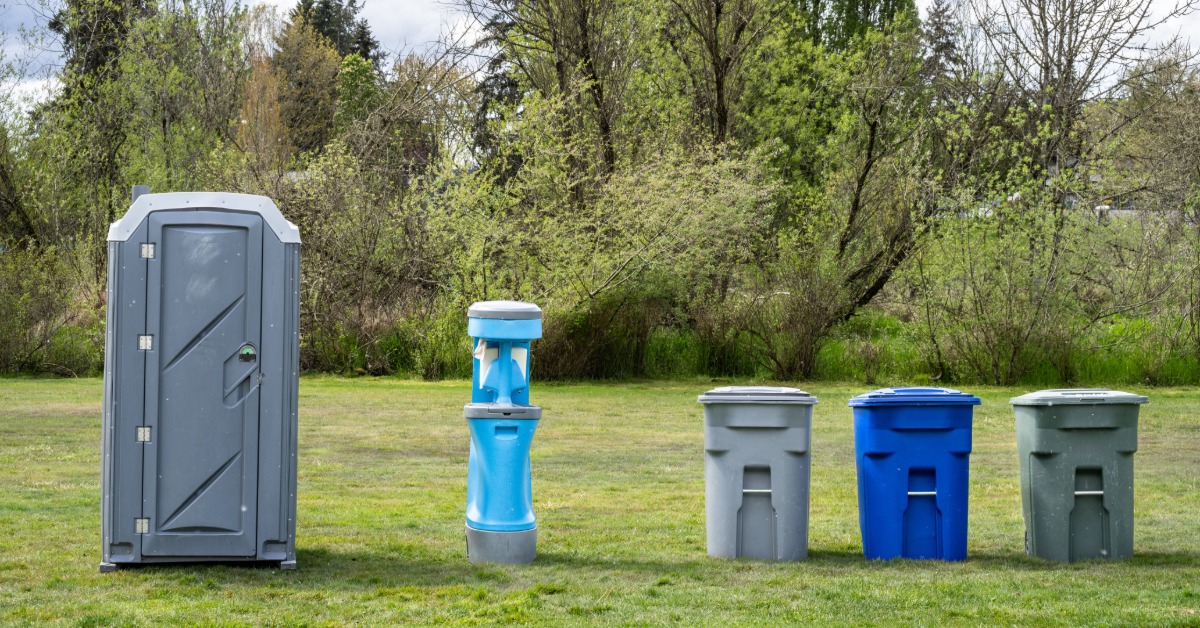
Some water supply problems are quick to fix, and you’ll have them sorted before you can find your wrench. Others call for a professional touch. Spotting the difference is what keeps your event running without a hitch.
DIY Checks You Can Run in Minutes
Before assuming the worst, run through this quick list:
- Confirm that the tank has water and isn’t sitting empty.
- Check that the pump has battery power or a working connection.
- Straighten any kinked or pinched hoses.
- Tighten loose fittings where the hose meets the tank.
- Clear debris from the faucet spout if flow looks restricted.
These checks take only a few minutes and solve a surprising number of water supply complaints on-site. For example, a quick inspection might reveal a kinked hose behind the tank, and you can quickly restore full water flow.
When It’s Time to Call Floods Royal Flush
Sometimes the fix goes beyond a quick tightening or an easy refill. A pump that won’t power on at all, a tank that won’t hold water, or a persistent smell that won’t go away after cleaning all point to a bigger issue.
That’s when you should call in a rental company that can service and swap equipment on short notice. Securing portable sinks for rent from a company like Floods Royal Flush takes the guesswork off your plate entirely.
Construction crews juggling long workdays and wedding planners managing back-to-back events both benefit from working with a rental partner who shows up fast when something goes wrong. A quick phone call beats hours spent troubleshooting equipment you didn’t build in the first place.
Wrapping Up Water Supply Troubles
Water supply issues don’t have to derail your event or slow down your job site. Paying close attention to tank levels, the location of your portable sinks, and hose connections will help keep your sanitation needs in working order.
Troubleshooting issues with portable sink water supply comes down to knowing the warning signs and having a plan ready when a bigger fix is needed. Keep this guide handy for your next event, and lean on us whenever a problem requires more than a quick fix.