Construction sites need reliable sanitation solutions to keep workers comfortable and operations running smoothly. While portable restrooms often receive the most attention, holding tanks also play an important role in managing wastewater. These tanks provide temporary waste storage when construction projects lack access to permanent sewer connections.
Whether you’re overseeing a small renovation or managing a large commercial development, proper wastewater management helps prevent sanitation problems. Renting holding tanks offers a practical way to handle waste without investing in permanent infrastructure. Understanding their benefits can help construction managers make smarter decisions about job-site sanitation.
Provide Reliable Wastewater Storage
Construction sites frequently operate without access to permanent plumbing systems. Even when a project includes future sewer connections, crews may spend months working before those systems become operational.
Holding tanks provide a convenient solution by collecting wastewater until a sanitation provider can remove it. These sealed containers accommodate waste from compatible temporary facilities and allow construction activities to continue without requiring immediate sewer access.
Rather than delaying work while waiting for permanent utilities, contractors can establish a temporary wastewater management system that supports their daily operations.
Support Temporary Restroom Facilities
Workers need dependable restroom access throughout the construction process. However, not every site has enough space or infrastructure to accommodate traditional restroom arrangements.
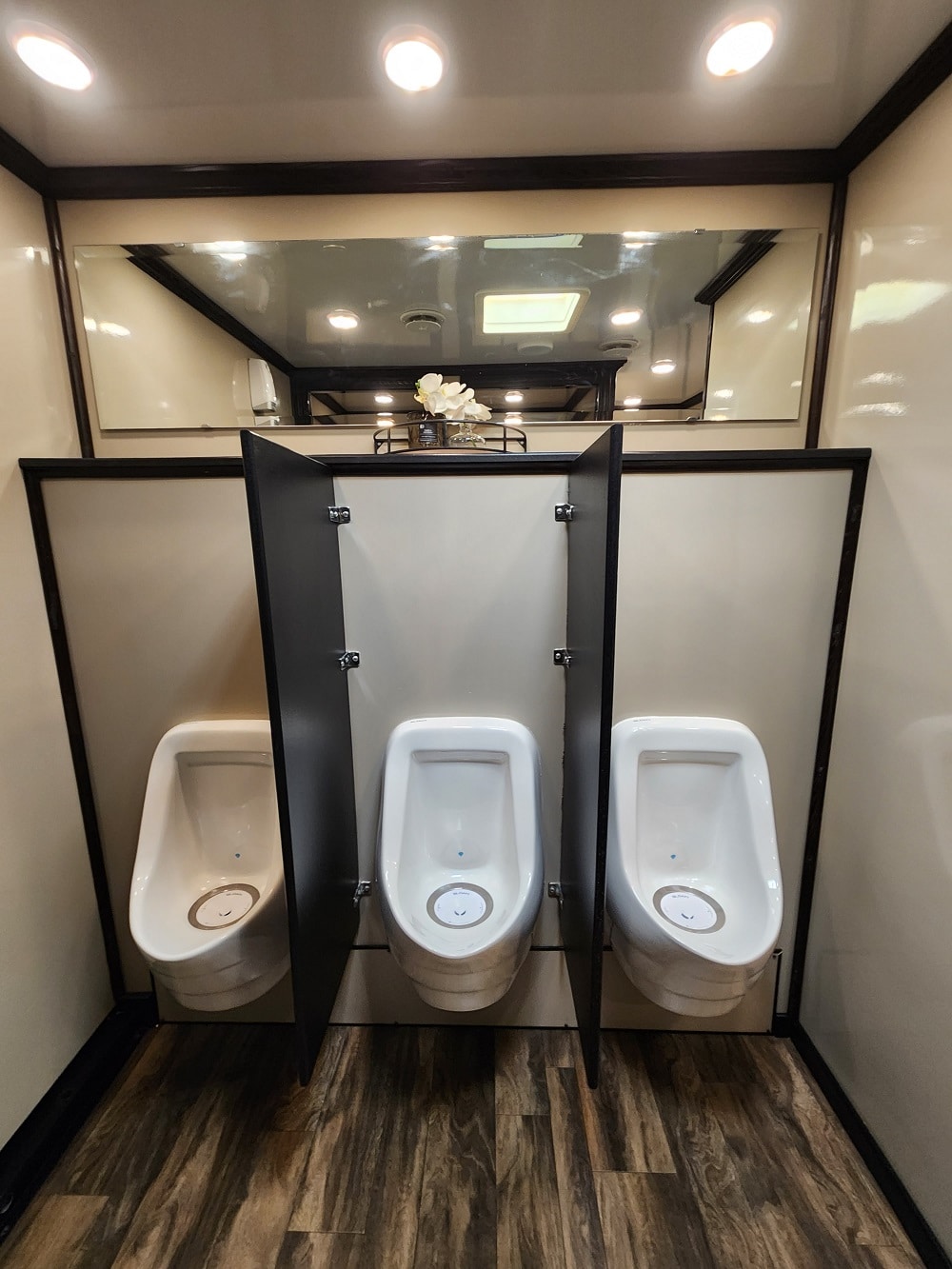
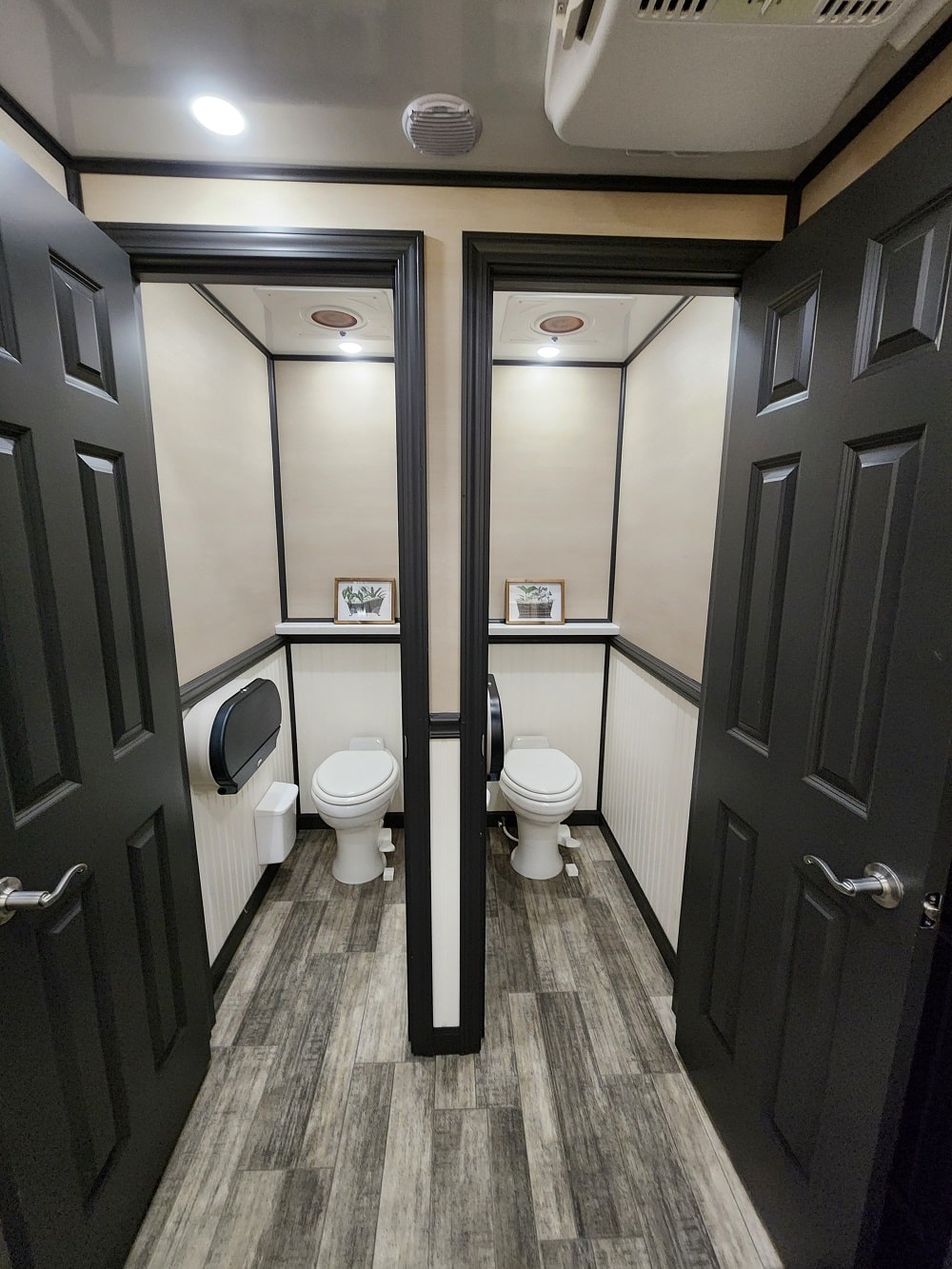
Holding tanks can support certain portable restroom trailers and other temporary sanitation systems that require external wastewater storage.
For example, a porta potty holding tank may provide additional waste storage capacity for compatible portable sanitation equipment. The specific setup depends on the restroom design and the requirements of the construction site.
Choosing appropriate storage equipment helps managers maintain reliable restroom access while reducing the risk of unexpected interruptions.
Maintain a Cleaner Construction Environment
Construction sites already generate considerable amounts of debris and dust. Poor wastewater management introduces additional sanitation concerns that can make working conditions unpleasant.
Holding tanks help contain wastewater within a dedicated storage system. When crews use the equipment correctly and providers maintain it regularly, these tanks reduce the likelihood of uncontrolled wastewater discharge.
Proper containment also helps prevent unpleasant odors around temporary sanitation facilities.
A cleaner construction environment benefits everyone on-site, especially workers who spend long shifts in areas near temporary restrooms.
Help Meet Wastewater Disposal Requirements
Construction managers must consider local wastewater disposal regulations when planning temporary sanitation arrangements. Requirements can vary depending on the project’s location and the type of wastewater the site generates.
Holding tank rentals provide a practical way to support compliant waste management when contractors combine them with appropriate servicing.
Professional sanitation providers can coordinate wastewater collection and transport it to authorized disposal facilities.
However, contractors should always confirm applicable requirements with local authorities. Renting a tank alone doesn’t guarantee compliance, especially when projects generate wastewater containing hazardous substances or construction chemicals.
Reduce the Need for Permanent Infrastructure
Installing permanent wastewater infrastructure can involve considerable expense, especially during the early stages of construction.
Some projects simply don’t need permanent connections until later in their development schedules. Others involve temporary work locations where permanent plumbing would make little financial sense.
Holding tank rentals eliminate the need to purchase permanent storage equipment for short-term wastewater management.
Contractors can use temporary systems while their projects progress, then arrange removal when permanent infrastructure becomes available.
This flexibility makes holding tanks particularly useful for projects with changing sanitation requirements.
Accommodate Different Construction Project Sizes
Every construction project has different wastewater storage needs. A small residential development may generate significantly less wastewater than a large commercial construction site.
Rental providers can help contractors determine appropriate tank capacities based on expected usage.
Several factors influence the size and number of tanks a project might require:
- Workforce size: More workers generally increase restroom usage and wastewater production.
- Project duration: Longer construction schedules require ongoing servicing arrangements.
- Sanitation equipment: Restroom trailers and other connected facilities may generate different wastewater volumes.
- Available space: Tank placement must accommodate site layouts and service vehicle access.
Evaluating these factors before renting helps prevent capacity problems and unnecessary expenses.
Simplify Wastewater Removal and Maintenance
Wastewater storage requires ongoing attention. Contractors must arrange regular pumping to prevent tanks from reaching their maximum capacity.
Working with a professional sanitation rental company simplifies this responsibility.
Providers can establish servicing schedules based on anticipated wastewater volumes and adjust collection frequency when necessary.
Construction managers should also monitor tank levels and report unusual odors or leaks promptly.
Regular communication between contractors and sanitation providers helps maintain dependable service throughout the project.
Improve Worker Comfort and Convenience
Comfortable workers can focus more effectively on their responsibilities. While holding tanks don’t directly improve restroom interiors, they support the sanitation systems that workers rely on daily.
Without sufficient wastewater storage, connected restroom facilities may become unavailable when tanks reach capacity.
Reliable holding tanks help reduce these disruptions by providing adequate storage between scheduled pumping visits.
Workers benefit from consistent restroom availability, and supervisors spend less time addressing preventable sanitation complaints.
For projects with extended working hours, dependable wastewater management becomes especially important.
Support Construction Sites in Remote Locations
Not every construction project takes place near established utility connections. Road construction crews and contractors developing undeveloped properties frequently encounter limited sanitation infrastructure.
Remote locations can make wastewater management particularly challenging.
Holding tanks allow contractors to establish temporary storage without relying on nearby sewer connections.
However, remote projects also require careful planning for delivery and servicing access. Contractors should confirm that pumping vehicles can safely reach the tanks throughout the construction schedule. Adequate planning helps prevent logistical complications as work progresses.
Adapt to Changing Construction Schedules
Construction schedules rarely remain completely predictable. Weather conditions and material availability can extend project timelines beyond initial estimates.
Purchasing permanent wastewater storage equipment may create unnecessary complications when project requirements change.
Renting provides greater flexibility because contractors can coordinate rental periods with their actual schedules.
Some projects may require additional storage capacity as workforce numbers increase. Others may need fewer tanks once major construction activities conclude.
Discussing these changes with the rental provider helps contractors maintain appropriate sanitation arrangements without paying for unnecessary equipment.
Protect Surrounding Property and Drainage Areas
Improper wastewater disposal can affect neighboring properties and nearby drainage systems.
Construction managers must prevent wastewater from entering storm drains or flowing across exposed ground. Sealed holding tanks help contain wastewater until authorized personnel collect it for proper disposal.
Contractors should position tanks on stable surfaces away from areas where vehicles might damage them. They should also consider drainage patterns and potential flooding when selecting installation locations.
These precautions help protect surrounding areas while reducing the likelihood of expensive cleanup operations.
Make Construction Budgeting More Predictable
Construction managers must account for sanitation expenses when preparing project budgets.
Holding tank rentals for construction sites typically involve costs related to equipment, delivery and wastewater servicing. Additional charges may apply when projects require more frequent pumping or extended rental periods.
Requesting a detailed estimate helps contractors understand their expected expenses before committing.
Managers should ask about tank capacity, servicing frequency and potential additional fees.
Clear rental agreements make it easier to compare available options and plan for wastewater management throughout the project.
Choose a Dependable Sanitation Rental Provider
Selecting the right rental company matters just as much as choosing appropriate equipment.
Construction managers should look for providers that communicate clearly, offer practical rental arrangements and understand job-site sanitation requirements.
At Floods Royal Flush, we understand that construction projects need dependable sanitation solutions without unnecessary complications. Our family-operated team serves construction sites throughout Chicagoland and surrounding areas with professional portable sanitation rental services.
Contact Floods Royal Flush to discuss your project’s wastewater management needs and explore rental options that support a cleaner, more convenient construction site.